
Understanding the psychology behind high-risk gambling behavior
Understanding the psychology behind high-risk gambling behavior
Defining High-Risk Gambling
High-risk gambling is characterized by behaviors that lead individuals to wager significant amounts of money in hopes of achieving substantial financial rewards. This type of gambling often transcends mere entertainment, transforming into a compulsive behavior that can significantly impact the lives of gamblers. For many, high-risk gambling presents an alluring thrill, attracting them with the promise of easy money and fast-paced excitement. However, the allure can quickly lead to detrimental consequences. Engaging in high-stakes betting, such as with Maestro Casino, adds to the adrenaline rush that many seek.
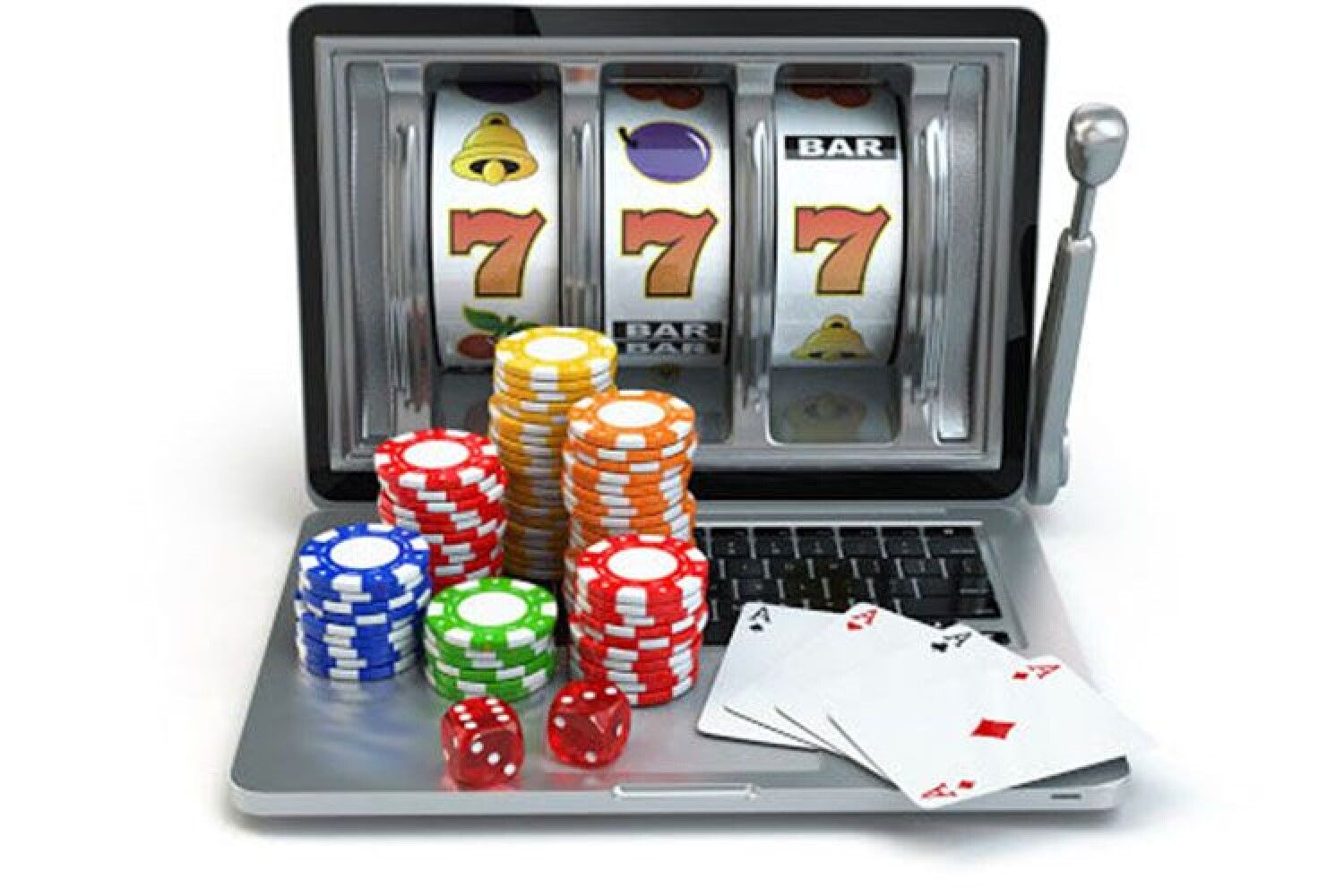
Understanding high-risk gambling begins with recognizing its various forms, such as betting on high-stakes games or participating in lotteries with low odds of winning. Psychological mechanisms come into play, wherein individuals may rationalize their betting behaviors, believing they have a system in place or that luck will favor them. These beliefs are often influenced by cognitive biases that skew their perception of risk and reward, contributing to further gambling engagement.
Moreover, high-risk gambling behavior can be exacerbated by environmental factors. Social circles and cultural attitudes toward gambling can either promote or discourage such activities. In some societies, gambling is seen as a rite of passage or a traditional activity, while in others, it may be stigmatized. Understanding these influences is essential for recognizing why certain individuals are drawn to high-risk gambling and how these motivations can vary across different demographics.
The Psychological Triggers of Gambling
Various psychological triggers can lead individuals to engage in high-risk gambling behaviors. One prominent factor is the thrill of uncertainty and the excitement of potentially winning a large sum of money. This adrenaline rush can activate the brain’s reward system, releasing dopamine and reinforcing the desire to gamble. Consequently, gamblers may chase this high, leading to repetitive behavior patterns that can spiral out of control.
Another significant psychological trigger is the illusion of control, where gamblers believe they can influence the outcome of a game through skill or strategy. This misconception fosters a sense of agency, making them more likely to continue wagering despite unfavorable outcomes. For example, card players might think that their experience can dictate the flow of the game, while slot machine players might believe in patterns that don’t exist. This delusion can create a false sense of security, further perpetuating high-risk gambling behavior.
Additionally, emotional factors, such as stress and anxiety, can push individuals toward gambling as a coping mechanism. For some, the temporary escape provided by gambling can be appealing, leading them to gamble more frequently in hopes of alleviating their emotional turmoil. Over time, this can form a cycle of behavior where gambling becomes the primary method of dealing with stress, ultimately leading to more severe psychological and financial consequences.
Social and Environmental Influences
The influence of social and environmental factors on high-risk gambling behavior cannot be overlooked. Peer pressure and social acceptance can play critical roles in a person’s decision to gamble, especially among younger individuals. If friends and family view gambling as a norm, it becomes easier for someone to engage in high-stakes wagers without considering the potential risks. These social dynamics can reinforce gambling behaviors, making it a shared activity that contributes to a collective mindset around risk-taking.
Furthermore, the availability of gambling venues and online platforms significantly impacts gambling behavior. The ease of access to high-risk gambling options, such as casinos or online betting sites, can lead to more frequent participation. The convenience of placing bets with just a few clicks heightens the appeal, especially for those who might otherwise not engage in such behaviors. As technology continues to advance, understanding the implications of accessibility becomes vital for addressing high-risk gambling.
Socioeconomic factors also play a crucial role in high-risk gambling behaviors. Individuals from lower-income backgrounds may perceive gambling as a viable means of improving their financial situation, leading them to take greater risks. This mindset can be further fueled by marketing tactics that target vulnerable populations, portraying gambling as a quick fix for financial woes. Recognizing these influences is essential for developing comprehensive strategies to address high-risk gambling in various communities.
Myths and Misconceptions About Gambling
High-risk gambling is often surrounded by numerous myths and misconceptions that can distort public perception. One common myth is the belief that gambling is solely a game of chance, devoid of any skill or strategy. While many forms of gambling are indeed chance-based, there are games where skill and strategic thinking can influence outcomes. However, even skilled players can experience losing streaks, which contributes to the misconception that gambling can be consistently profitable.
Another prevalent myth is that winning is simply a matter of luck, leading individuals to believe that they will eventually have a winning streak if they keep playing. This belief can perpetuate high-risk gambling behaviors, as individuals may disregard the statistical realities of games and cling to the hope of a big win. This concept is often reinforced by stories of large jackpots or lucky winners, which overshadow the countless stories of loss that often go untold.
Furthermore, many gamblers believe they can recover their losses by betting larger amounts, a fallacy known as the “gambler’s fallacy.” This notion can trap individuals in a vicious cycle of increased stakes and deeper losses. Dissecting these myths is crucial for promoting responsible gambling practices and fostering a clearer understanding of the risks involved.
Responsible Gambling Practices
Understanding the psychology behind high-risk gambling behavior is vital for fostering responsible gambling practices. By recognizing the psychological triggers and social influences, individuals can make more informed decisions when it comes to gambling. Education plays a key role in this process, as awareness of the potential pitfalls can empower individuals to set limits on their gambling activities.
Establishing clear boundaries, such as time limits or budget caps, is an effective strategy for managing gambling behaviors. This approach helps to mitigate the impulsivity often associated with high-risk gambling. Additionally, tools like self-exclusion programs can provide individuals with the necessary support to curb their gambling habits when they feel they are losing control.
Community engagement is also crucial in promoting responsible gambling. Public awareness campaigns can help debunk myths surrounding gambling while emphasizing the importance of seeking help if gambling becomes problematic. By fostering open conversations about gambling risks, communities can create a supportive environment that encourages individuals to engage in safer gambling practices.

Exploring Online Gaming Platforms
Online gaming platforms, such as Maestro Casino, play an essential role in the current gambling landscape. They offer an engaging experience tailored to a wide range of players, from casual gamers to serious gamblers. These platforms provide various games with enticing features, such as high return-to-player percentages and multiple betting options, which can attract high-risk gambling behaviors.
Maestro Casino, for example, combines high-speed action with strategic decision-making, allowing players to engage in thrilling rounds. It offers tools like Auto Bet and Two Bets, which enhance user control during gameplay. While these features can enhance the gaming experience, it is essential for players to remain aware of the potential for high-risk gambling behaviors and to employ responsible gaming practices.
Ultimately, understanding the psychology behind high-risk gambling is crucial for fostering safer gambling environments. Platforms like Maestro Casino can contribute to this mission by promoting responsible gaming initiatives and providing resources for players to make informed choices, ensuring that gambling remains a fun and enjoyable activity without the risk of detrimental consequences.